
How Often Should Hotels Replace Towels & Linens?
Towels and bed linens are among the hardest-working items in any hotel, cycling through constant washing, drying, folding and daily handling. Over time even durable products lose softness, absorbency and their crisp appearance, which raises a practical question for owners and housekeeping teams: how often should hotels replace towels and linens? There is no single answer, but with clear lifespan guidance, wear signals and inventory planning, you can protect guest satisfaction while keeping costs under control.
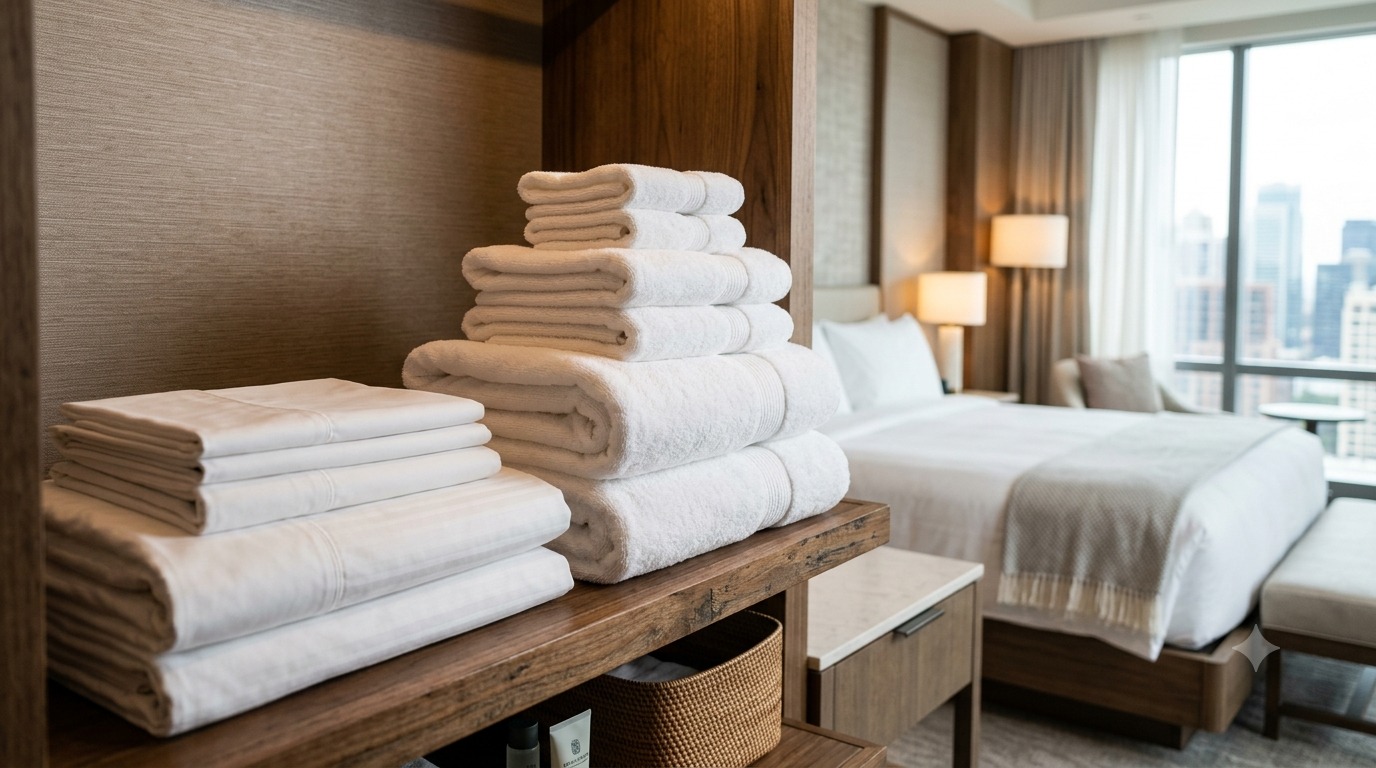
Key Takeaways
- Replace by condition, not the calendar:towels typically last 1 to 3 years and most linens 1 to 2, but wear signs matter more than age.
- Think in wash cycles:towels often last around 100 washes and sheets roughly 100 to 150 before quality drops.
- Protect your par levels:enough backup stock lets you rotate linen evenly and avoid burning through the same items.
- Judge value by cost per wash:a durable towel usually costs less over its life than a cheap one replaced often.
How Long Do Hotel Towels and Linens Last?
The hotel linen lifespan varies widely by product and how heavily it is used. Industry experience suggests towels endure roughly 100 wash cycles before the loops begin to fray, while sheets and pillowcases last around 100 to 150 washes and heavier items such as duvets and blankets can reach 200 to 250. Translated into time, the ranges below offer a useful starting point:
|
Hotel Linen
|
Typical Replacement Range
|
|---|---|
|
Bath towels
|
1 to 3 years
|
|
Hand and face towels
|
1 to 2 years
|
|
Pool and beach towels
|
1 to 2 years
|
|
Bed sheets
|
1 to 2 years
|
|
Pillowcases
|
1 to 2 years
|
|
Duvet covers
|
1 to 3 years
|
|
Bath mats
|
1 to 2 years
|
|
Robes
|
1 to 3 years
|
These are approximate ranges, not fixed rules. A luxury property with premium linen and careful laundering may stretch the upper end, while a high-occupancy hotel running aggressive wash cycles may reach replacement sooner. Rather than swapping everything on a schedule, monitor condition, performance and guest experience.
When Should Hotels Replace Towels?
Worn towels quietly shape how guests judge cleanliness and quality, so knowing when to retire them protects your reputation. Consider a towel for replacement when it shows any of the following:
- Reduced absorbency, often felt before it is visible
- Frayed or damaged edges and torn loops
- Thinning fabric or a rough, scratchy texture
- Persistent stains or discoloration
- Excessive shrinkage or visible wear after laundering
Age alone is not a reason to discard a towel. If it still looks presentable, feels comfortable and absorbs well, it can stay in service. Once deterioration becomes noticeable in a guest’s hands, though, continuing to use it works against the impression your brand is trying to create.
What Really Drives Towel Durability
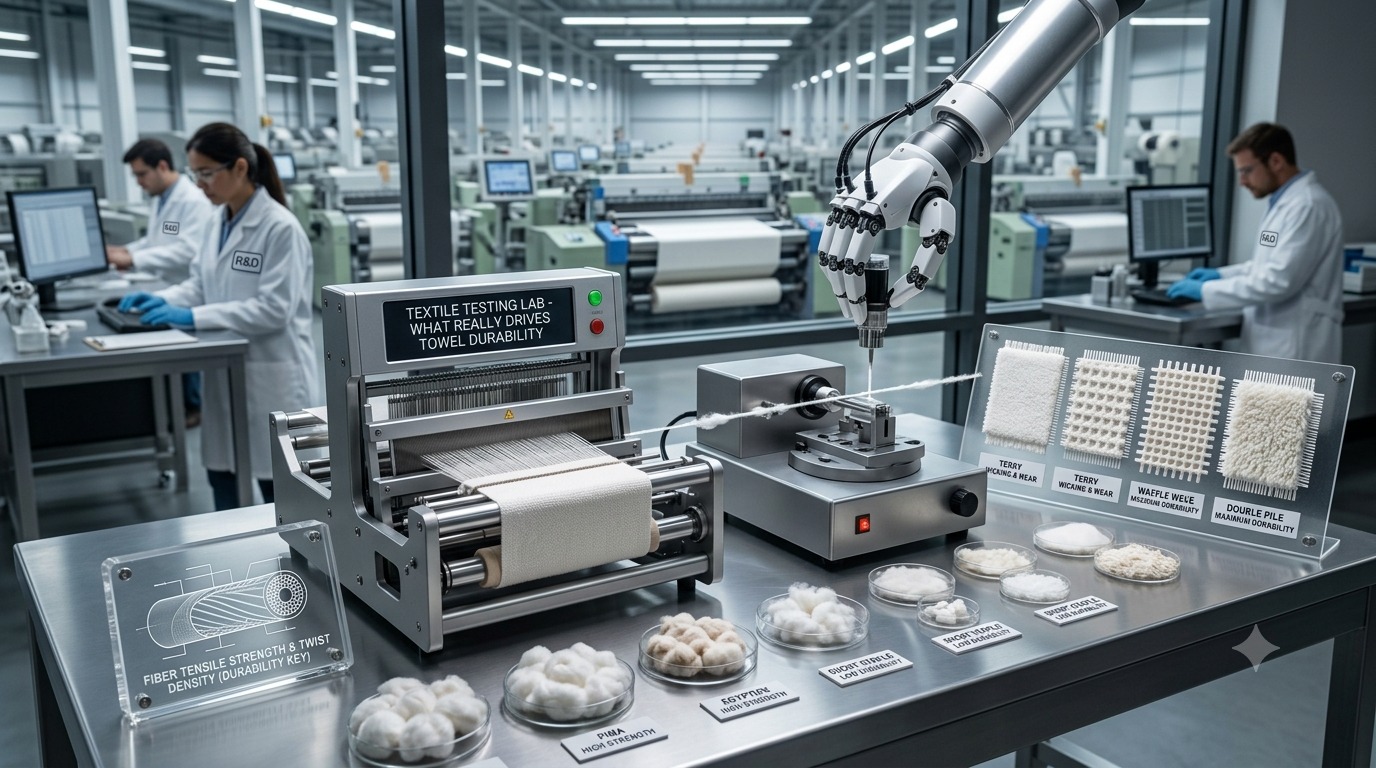
Hotel towel durability depends on far more than the number of months in service. Commercial towels face many more wash cycles than household ones, and repeated exposure to high temperatures, detergents, bleach and industrial drying gradually breaks down the cotton fibers. Everyday mishaps accelerate this: makeup, hair dye, sunscreen and towels misused for cleaning all cut life short.
Original quality matters just as much. Long-staple cotton, secure stitching, a suitable weight and professional finishing all help a towel withstand heavy commercial use. This is why it pays to weigh lifecycle value over sticker price, since a cheap towel replaced every six months can cost more than a premium one that performs well for eighteen months or longer.
Replacing Hotel Bedding: What to Watch For
Bedding deserves the same scrutiny. Deciding when to replace hotel bedding comes down to condition and laundering frequency rather than a set date. Watch for these signals on sheets and pillowcases:
- Thin, weakened or shiny fabric in high-turnover rooms
- Visible tears, holes or frayed seams
- Persistent stains, greying or discoloration
- Loss of softness, pilling or stretching
White bedding needs extra attention because guests link it directly to cleanliness. Even a technically usable sheet may warrant replacement once permanent staining or dullness sets in. High-occupancy properties naturally see faster turnover, while quieter hotels can extend bedding life. Pillowcases often wear first from frequent direct contact, so they may need swapping ahead of other bedding.
What Are Linen Par Levels?
A central part of smart replacement is maintaining sensible par levels. A par is the number of complete linen sets a property needs to run smoothly, and many hotels hold three or four sets per room:
- One set on the bed or rail in the guest room
- One set moving through the laundry
- One set clean and stored, ready to go
- An extra reserve set for peak periods
The right number depends on occupancy, laundry turnaround, room count and operating model. Crucially, running too close to the minimum backfires: the same units get washed and reused more often, so they wear out faster and force staff to put borderline items into rooms. Adequate par protects rotation and spreads wear evenly across your stock.
Understanding Cost Per Wash for Hotel Towels
When weighing replacement, factor in the cost per wash rather than the shelf price. Every cycle consumes water, detergent, energy, labor, drying, pressing and equipment wear, so the true cost builds up over a towel’s whole life. A simple way to frame it is:
Total lifecycle cost = purchase cost + laundry cost + handling cost + replacement cost.
A towel that is cheap to buy but wears out quickly can generate a higher long-term cost through frequent replacement, while a durable, well-made towel often delivers better value over its service life. Procurement teams get better results by judging towels on cost per use, not cost per unit.
How to Extend the Life of Towels and Linens
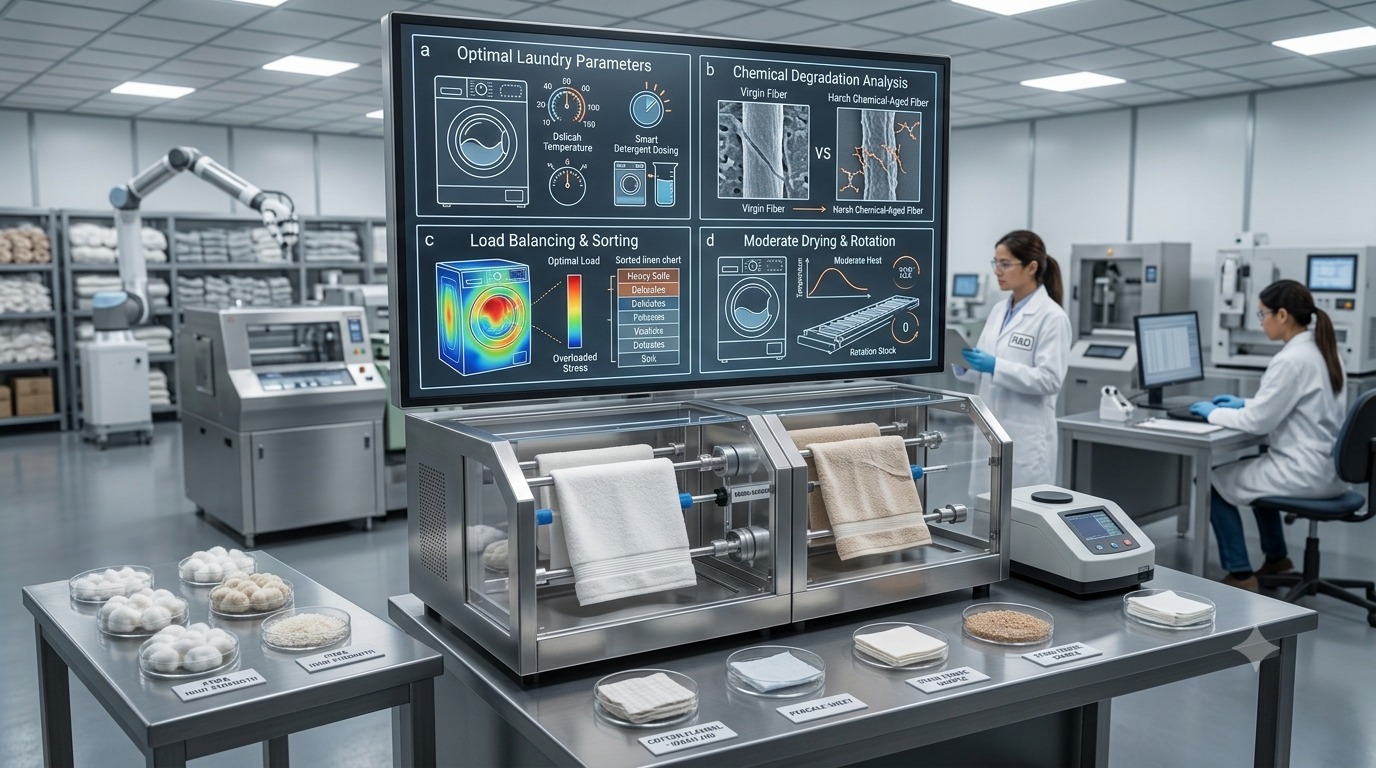
Careful laundry and handling can add months to linen life. A few practices make the biggest difference:
- Follow recommended wash temperatures, detergents and cycles for each item.
- Limit bleach and harsh chemicals that weaken fibers over time.
- Avoid overloading machines, which stresses fabric and leaves items under-cleaned.
- Use appropriate, moderate drying heat to protect the fibers.
- Sort towels, sheets and heavily soiled items to prevent avoidable wear.
- Rotate stock so no single set is used continuously while others sit idle.
Sorting and stain triage matter more than they seem, because every rewash is effectively double wear. Matching the wash formula to how soiled an item actually is, instead of over-washing lightly used linen, keeps fabric strong for longer and reduces premature greying.
Creating a Practical Replacement Schedule
A workable hotel towel replacement schedule blends planned review with condition-based decisions. During regular inspections, housekeeping teams can sort linen into three simple groups:
- Good: suitable for continued guest use.
- Monitor: showing early wear and worth watching closely.
- Replace: damaged, heavily worn, stained or below standard.
Rather than replacing every category at once, retire items on a rolling basis, swapping out a share of stock as it fails inspection. Different products wear at different rates: bath towels usually need replacing before duvet covers, and pillowcases often before other bedding, so individual schedules beat one blanket refresh. Auditing by floor or room type also reveals where linen fails fastest, which often points to a specific wash or handling practice worth fixing.
FAQs
How often do hotels need to replace towels?
Most hotels replace towels every one to two years, or after roughly 100 wash cycles, though luxury properties with gentle laundering may reach the upper end and high-occupancy hotels sooner.
How often should hotels replace bed sheets?
Hotel sheets and pillowcases generally last one to two years, or about 100 to 150 commercial washes, after which thinning, greying or persistent stains signal replacement.
How often do hotels change linens between guests?
Changing linens is different from replacing them; most hotels change sheets and towels after every checkout, and often daily on request or by a stated reuse policy.
What are the signs hotel linens need replacing?
Reduced absorbency, thinning or shiny fabric, fraying seams, torn loops, pilling and stains that will not lift are the clearest signs a towel or sheet has reached the end of its life.
How can hotels make towels and linens last longer?
Controlled wash temperatures, limited bleach, correct sorting, moderate drying heat and proper stock rotation all extend linen life and reduce how often items need replacing.
Should hotels replace all linens at the same time?
No. Towels, sheets, pillowcases and duvet covers wear at different rates, so rolling, category-by-category replacement is more cost-effective than swapping everything at once.
Final Thoughts
So, how often should hotels replace towels and linens? For many properties towels last around one to three years and sheets and other linens around one to two, but condition always outranks the calendar. Track wear signs, wash-cycle counts, occupancy, par levels and cost per wash, and you can plan replacements with confidence instead of reacting to sudden failures. American Linen Towel supplies durable, wholesale hotel, spa and resort towels, sheets and linens built for repeated commercial laundering. Request a quote or a free sample and we will help you build a linen program that lasts.